Dragons vs Wyverns: Key Differences, Lore, and Fantasy Icons
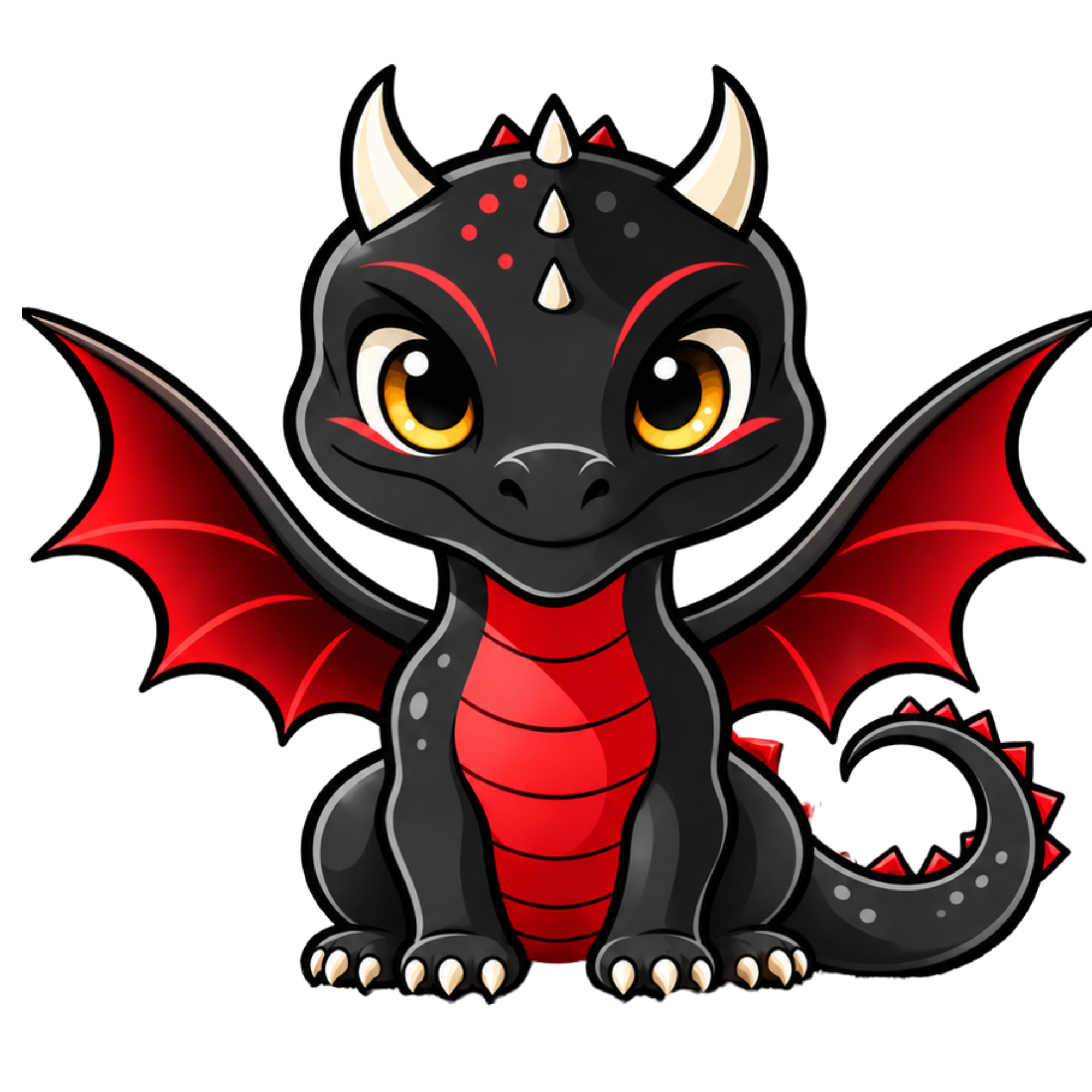
A creature drops from the clouds, spreads huge wings, and blasts fire across a battlefield. Dragon, right?
Maybe. Or maybe it’s a wyvern.
Fantasy has blurred the line so much that even longtime fans argue about it. Some films call two-legged winged beasts “dragons.” Some games split them into separate species. Older folklore doesn’t always follow the neat rules modern fans expect. Still, there are clear patterns that help tell them apart.
The short version is this: a classic dragon usually has four legs and wings, while a wyvern usually has two legs and wings that double as its front limbs. But that’s only the start. Their bodies, powers, symbolism, and roles in stories often feel very different.

The easiest way to tell them apart
If you want a quick field guide for fantasy creatures, count the limbs.
A traditional Western dragon has:
Four legs
Two wings
A long tail
A large body
A reptile-like head
Often, fire breath
A wyvern usually has:
Two hind legs
Two wings used like arms
A long tail
A leaner, more birdlike or batlike body
Sometimes, a venomous bite or tail sting
That makes the classic dragon a six-limbed creature, if you count the wings. A wyvern is usually four-limbed, like a bat or bird, with wings taking the place of front legs.
This is why many fans point at the creatures in Game of Thrones and say, “Those are wyverns, not dragons.” On screen, Drogon, Rhaegal, and Viserion have two legs and two wings. In the story world, though, they’re called dragons. That shows one big truth about fantasy lore: the name depends on the world, not just the anatomy.
Still, the body plan matters because it changes how the creature feels. A four-legged dragon can stalk, crouch, claw, and fight on the ground like a huge predator. A wyvern feels more aerial. It often looks faster, sharper, and more built for diving attacks.
Dragons are usually the larger and more powerful mythic beasts
Dragons are the heavyweights of fantasy.
In Western legends, they’re often giant, treasure-hoarding monsters. They burn villages, guard caves, demand sacrifices, or sit on mountains of gold. Think of Smaug in J.R.R. Tolkien’s The Hobbit. He isn’t just a big flying lizard. He talks, schemes, mocks Bilbo, and treats his treasure like part of his own body.
That mix of size, intelligence, and greed is a classic dragon trait.
Many dragons also feel ancient. They’re not just animals. They know things. They remember old kingdoms, old wars, and old insults. In stories, meeting a dragon often feels like meeting a force of history with teeth.
Common dragon traits include:
Fire breath, though some breathe ice, poison, lightning, or acid
High intelligence, especially in literature and role-playing games
Love of treasure, especially in European-style fantasy
Magical power, either natural or learned
Long life, sometimes stretching across centuries
Symbolic power, tied to chaos, wisdom, kingship, or danger
Not every dragon fits this list. Chinese dragons, for example, are often wise, serpentine beings linked to rain, rivers, power, and good fortune. They usually don’t look like winged European dragons, and they’re not always villains. In many East Asian traditions, dragons can be noble and sacred.
That’s one reason the word “dragon” has such a wide reach. It can mean a wicked beast in a cave, a wise sky spirit, a royal symbol, or a talking monster with a personality larger than the castle it destroys.
Wyverns are faster, leaner, and often more bestial
Wyverns don’t usually carry the same grand weight as dragons. They tend to feel more like deadly animals than ancient rulers.
That doesn’t make them weak. A wyvern can be terrifying. It may swoop down, snatch prey, rake with talons, or strike with a barbed tail. In some traditions, wyverns are linked with poison. Their tails may end in a sting, and their bite can be venomous.
The key difference is mood.
A dragon might speak in riddles from atop a pile of gold. A wyvern is more likely to shriek, dive, and tear into a battlefield. Dragons often dominate through presence and power. Wyverns often dominate through speed and aggression.
In fantasy art, wyverns commonly look:
Slimmer than dragons
More aerodynamic
Less humanlike in expression
More birdlike in posture
Built for sudden attacks from the air
This is why wyverns work so well in games. They make great flying monsters that feel dangerous without being as world-shaking as a dragon. A dragon can be the final threat of a whole story. A wyvern can be the thing guarding the mountain pass.
That said, modern fantasy loves to bend the rules. Some wyverns are huge. Some dragons are animalistic. Some settings use “wyvern” for a lower class of dragon, while others treat them as cousins or completely separate creatures.
A quick comparison of dragons and wyverns
Here’s the cleanest way to compare them without getting lost in lore arguments.
Trait | Dragon | Wyvern |
Usual limb count | Four legs and two wings | Two legs and two wings |
Body type | Heavy, powerful, often massive | Lean, fast, and aerial |
Intelligence | Often intelligent or wise | Often more animal-like |
Common powers | Fire breath, magic, speech, great strength | Venom, speed, claws, tail sting |
Role in stories | Major villain, ancient guardian, symbol of power | Monster, mount, predator, heraldic beast |
Cultural feel | Mythic, royal, cosmic, or sacred | Fierce, martial, dangerous, wild |
The table helps, but don’t treat it like a law carved into stone. Folklore is messy. Fantasy writers change details all the time. The real question is often, “What role does this creature play in the story?”
If it feels like an ancient power with a mind, it’s probably being written as a dragon. If it feels like a fierce winged predator, it may be closer to a wyvern.

Folklore gives dragons the bigger spotlight
Dragons appear in stories across the world, though they don’t always look or act the same.
In European folklore, dragons often represent danger, greed, sin, or chaos. Knights fight them to prove courage. Saints defeat them to show spiritual victory. The story of Saint George and the Dragon is one of the most famous examples. The dragon threatens a community, and the hero’s victory restores order.
The dragon also became a powerful symbol in royal and national identity. The red dragon of Wales is one of the best-known examples. It stands for strength, pride, and endurance.
In East Asian traditions, dragons often have a very different meaning. Chinese dragons are tied to water, rain, prosperity, and imperial authority. They’re usually long, serpent-like creatures with antlers, whiskers, and clawed feet. They may not have wings at all, yet they can fly or move through the heavens.
That’s a big reminder that “dragon” doesn’t mean one single thing. The word gathers many myths under one name.
Wyverns have a narrower cultural lane. They show up strongly in European heraldry, the art of symbols used on shields, banners, and family crests. A wyvern on a coat of arms often suggests ferocity, protection, or military strength. Its shape is useful for design, too. Two legs, broad wings, and a curling tail make a striking symbol.
So while dragons dominate myth and legend, wyverns shine in visual identity. They look great on shields, flags, and fantasy maps. They’re easy to recognize from a distance, and they carry a sharp, dangerous energy.
Popular media keeps mixing the rules
If dragons and wyverns seem confusing, fantasy media is partly to blame. In a fun way.
Many famous “dragons” use the wyvern body plan. The dragons in Game of Thrones and House of the Dragon have two legs and wings. They move with a grounded, animal-like weight, using their wings almost like front limbs. From an anatomy point of view, they resemble wyverns. In that world, though, they are absolutely dragons, with fire, royal importance, and deep ties to power.
The dragons in Skyrim also look more wyvern-like. They have two legs and wings, yet the game treats them as ancient, speaking, magical dragons. They fit the dragon role because they’re intelligent, powerful, and tied to the history of the world.
Tolkien gives us a more traditional literary dragon with Smaug. He’s clever, vain, and terrifying. He talks like a villain, guards treasure like a curse, and breathes fire with awful ease. Smaug helped shape the modern idea of a dragon as a proud, intelligent hoarder.
In Harry Potter and the Goblet of Fire, the dragons used in the Triwizard Tournament, including the Hungarian Horntail, are closer to the classic four-legged dragon shape. They’re treated more like dangerous magical animals than ancient masterminds, but they still carry the classic dragon features: size, scales, wings, and fire.
Tabletop fantasy games often make the split clearer. Dragons may have colors, breath weapons, personalities, and long histories. Wyverns are often smaller, less intelligent, and venomous. That setup has shaped how many fantasy fans think about the difference today.
Why the distinction matters to fantasy fans
At first, this may sound like pure creature trivia. Count the legs, win the argument. Easy.
But the dragon and wyvern split changes how a creature feels in a story.
A dragon raises the stakes. It suggests old magic, lost kingdoms, hoarded wealth, or a threat so huge that a hero’s life may not be enough. Dragons often belong at the center of myths.
A wyvern adds danger in a different way. It brings speed, menace, and wildness. It can make the sky feel unsafe. It can turn a mountain trail or castle wall into a hunting ground.
That’s why both creatures remain useful. They don’t cancel each other out. They give writers, artists, and game designers different tools.
Use a dragon when the story needs awe.
Use a wyvern when the story needs a predator.
Of course, the best fantasy often ignores neat labels and gets away with it. If a two-legged creature breathes fire, bonds with rulers, changes the course of wars, and terrifies whole nations, most audiences will accept it as a dragon. The emotional role matters as much as the body.
The takeaway for telling them apart
The simplest rule still works: dragons usually have four legs and wings, while wyverns usually have two legs and wings.
After that, look at the creature’s role. Dragons tend to be grand, ancient, magical, and symbolic. Wyverns tend to be lean, fierce, venomous, and more animal-like. Dragons rule the mythic imagination. Wyverns own the sharp edge of the sky.
So the next time a winged beast appears on screen or in a book, count the limbs if you want to be precise. Then ask what the story wants you to feel. If it feels like meeting a legend, you’re probably looking at a dragon. If it feels like being hunted from above, you may have found a wyvern.


Comments